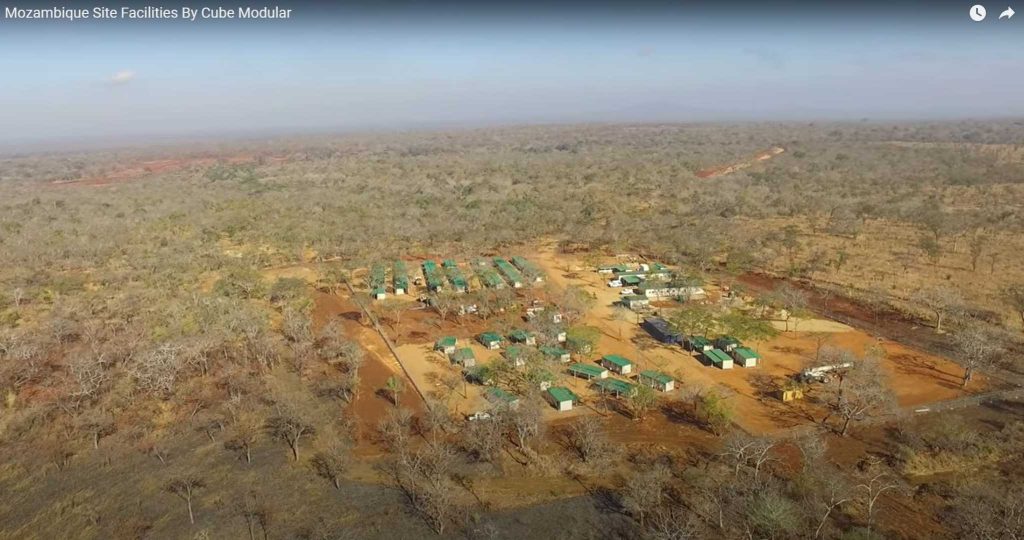
Modular buildings for remote sites must be selected around the reality of the project, not only the building layout.
Remote projects are affected by site access, transport distance, road conditions, border crossings, offloading equipment, local labour skill, climate, services, maintenance, and the project duration. A system that works well in one location can become expensive or impractical in another.
RapidBuild supplies prefabricated and modular building systems for remote sites across Africa, including accommodation, site offices, ablutions, kitchens, diners, clinics, laundries, workshops, warehouses, and other project support facilities.
What Remote Site Buildings Need to Do
Remote site buildings are not just temporary shelters. They are operational infrastructure.
They need to support the people, services, equipment, and daily work required to keep a project running. The correct building system should match how the facility will be used, how it will be transported, how it will be installed, and how long it must remain in service.
Poor early decisions can create problems with transport, installation delays, rework, corrosion, water ingress, service connections, maintenance, user comfort, and long-term cost.
Typical Remote Site Facilities
Remote projects usually require several facility types working together.
Accommodation Buildings
Accommodation buildings may include sleeping units, ensuite rooms, dormitories, supervisor accommodation, management units, and support housing.
The right system depends on room repetition, comfort level, transport limits, services, installation speed, and whether the building may need to be relocated.
Site Offices
Site offices support project management, meetings, document control, procurement, engineering, construction supervision, security, and administration.
These buildings must account for electrical supply, data, air-conditioning, lighting, furniture, circulation, and practical working conditions.
Ablutions and Welfare Buildings
Remote site ablutions need careful planning around plumbing, drainage, ventilation, wet-area finishes, hot water, cleaning, and maintenance.
Ablution buildings often become a problem when they are treated like simple dry buildings.
Kitchens, Diners, and Laundries
Camp support buildings need to be planned around hygiene, food preparation, dining flow, laundry loads, drainage, extraction, electrical demand, water supply, and maintenance.
These buildings must work under daily use, not only look correct on a drawing.
Clinics and First-Aid Buildings
Remote sites often require clinics, first-aid rooms, medical support areas, isolation spaces, and welfare facilities.
These buildings need privacy, cleanable finishes, ventilation, power, plumbing where required, and practical access.
Workshops and Storage Buildings
Remote projects may need workshops, warehouses, spares stores, tool rooms, maintenance buildings, and equipment support structures.
These facilities often need larger internal spaces, vehicle access, roller shutters, durable cladding, good lighting, and long-term maintainability.
Choosing the Right Modular System
The best modular system depends on the project conditions.
RapidBuild reviews the site and project requirements before recommending a system.
Flat Pack Modular Buildings
Flat pack modular buildings are suited to remote projects where compact transport, fast installation, factory preparation, repeatable layouts, and relocation are important.
They are commonly suited to accommodation blocks, site offices, ablutions, clinics, laundries, kitchens, diners, and other repeatable facilities.
RapidCabin
RapidCabin is suited to remote sites where containerised delivery and practical site assembly are important.
It can be useful where crane access is limited, fully assembled modules are difficult to transport, or the project can support more assembly work on site.
RapidSpan
RapidSpan is suited to longer-term remote site facilities that are expected to remain in place for many years.
It is often more suitable for workshops, warehouses, long-term offices, clinics, accommodation, ablutions, packhouses, and semi-permanent project facilities.
Key Remote Site Considerations
Transport Route
The transport route can decide which system is practical. Ports, roads, borders, bridges, road permits, container handling, and final site access must be reviewed before the building is selected.
Offloading and Cranage
Some systems require cranes or lifting equipment. Others reduce crane dependency but require more site labour.
The correct choice depends on what can realistically be mobilised to the site.
Installation Labour
Remote projects often have limited access to skilled labour, tools, supervision, and support services.
The building system must suit the actual installation resources available.
Services Interfaces
Electrical, plumbing, drainage, HVAC, fire, water, wastewater, data, and ventilation requirements must be planned before buildings arrive.
Poor services coordination is one of the common causes of site delays.
Foundations and Site Readiness
Slabs, piers, plinths, drainage, service trenches, levels, and access routes must be ready before installation.
The building supplier and civil contractor must have clear battery limits.
Environmental Exposure
Remote sites can expose buildings to corrosion, humidity, heat, UV, dust, rainfall, wind, and heavy use.
Material selection must reflect the actual operating environment.
Common Mistakes on Remote Site Building Projects
Choosing a Catalogue System Too Early
A system should not be selected before the site, logistics, project duration, installation method, and services are understood.
Ignoring Logistics
A low building price is not useful if the system is expensive to transport, difficult to offload, or slow to install.
Underestimating Services
Electrical, plumbing, drainage, HVAC, and fire requirements can delay the project if they are not coordinated early.
Treating Remote Work Like Urban Construction
Remote projects have different labour, access, supervision, quality control, and maintenance realities.
Unclear Battery Limits
Every proposal must define who is responsible for foundations, offloading, lifting, installation, services, testing, commissioning, and handover.
Remote Site Building Planning Checklist
Before selecting a modular building system, confirm:
- Project country and site location
- Facility types required
- Expected project life
- Temporary, relocatable, semi-permanent, or permanent use
- Number of occupants or users
- Transport route and site access
- Container, truck, or abnormal load constraints
- Crane and offloading availability
- Labour and supervision availability
- Foundation responsibility
- Electrical and plumbing interfaces
- HVAC and ventilation requirements
- Fire and safety requirements
- Corrosion, climate, and environmental exposure
- Documentation and compliance requirements
- Required delivery date
- Scope battery limits
Why RapidBuild
RapidBuild is built around practical system selection for remote project facilities.
The focus is not to force one product into every project. The focus is to review the application, site constraints, logistics, installation method, operating environment, and project duration before recommending the most practical prefabricated or modular building system.
The right answer may be flat pack modular buildings, RapidCabin, RapidSpan, or a hybrid approach.
Start With a Project Review
You do not need a complete specification before contacting RapidBuild.
Send the basic project details: location, facility type, project stage, site constraints, access conditions, and what the building must achieve.
RapidBuild will review the remote site requirement and recommend the next practical step.