For the project team that cannot afford to get this wrong

The 2% Package That Can Delay 98% of the Project

Remote camps and site facilities may represent a small percentage of total project value. They enable the workforce, supervision, welfare, and site operations required to build the rest of it.

When they are late, undersized, or badly scoped, the problem does not stay inside the camp package. It spreads into mobilisation, productivity, programme, commercial claims, and project reputation.

The real cost

The camp is not expensive because it costs a lot. It is expensive because of what happens when it is not ready.

Remote camps and site facilities are routinely treated as minor procurement. Compared to plant, civils, mining equipment, or process infrastructure, the camp package may be less than 2% of total project value.

On site, that small package enables the other 98%. It is the operating platform that allows a remote project to mobilise, function, and build.

When any part of that platform is late, undersized, or unusable, the project pays through delayed mobilisation, contractor standing time, emergency imports, and recovery costs that far exceed what the buildings cost in the first place.

2%

of total project value

98%

of the project it enables

30 - 90 days

commonly underestimated in facility procurement timelines
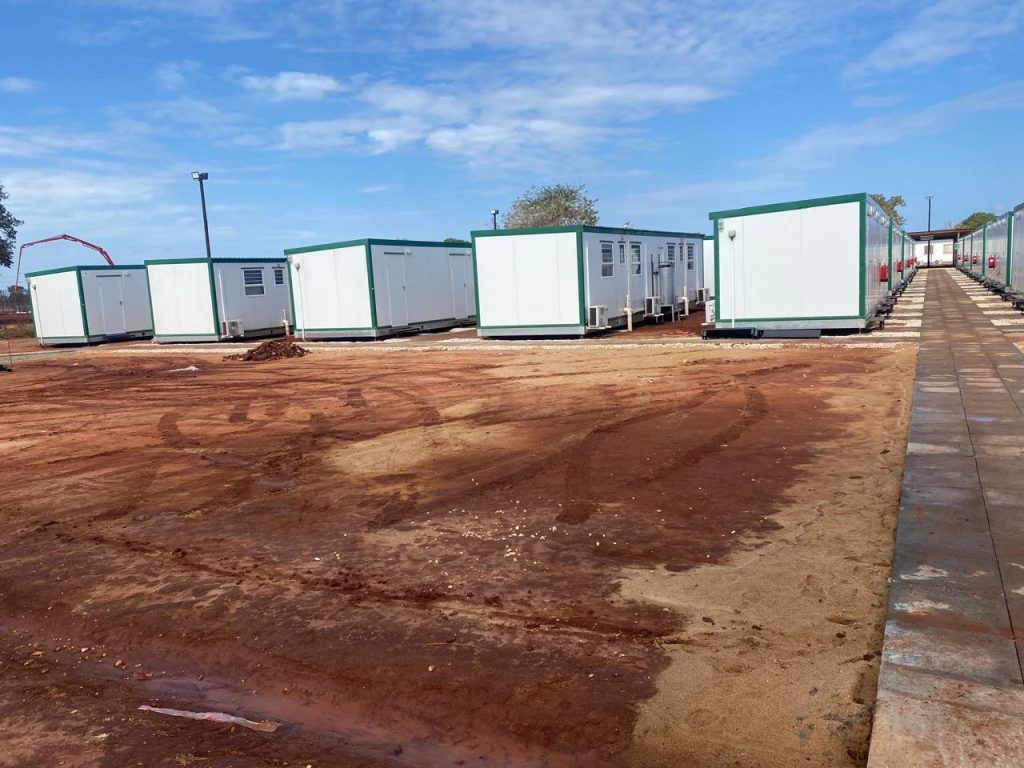
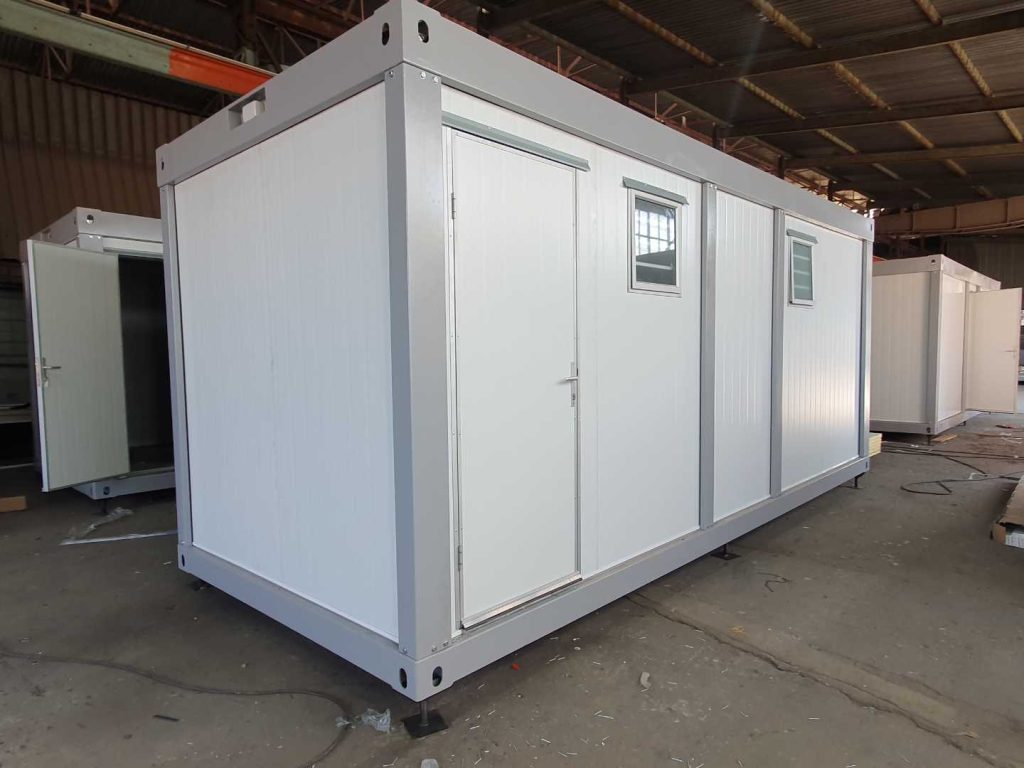
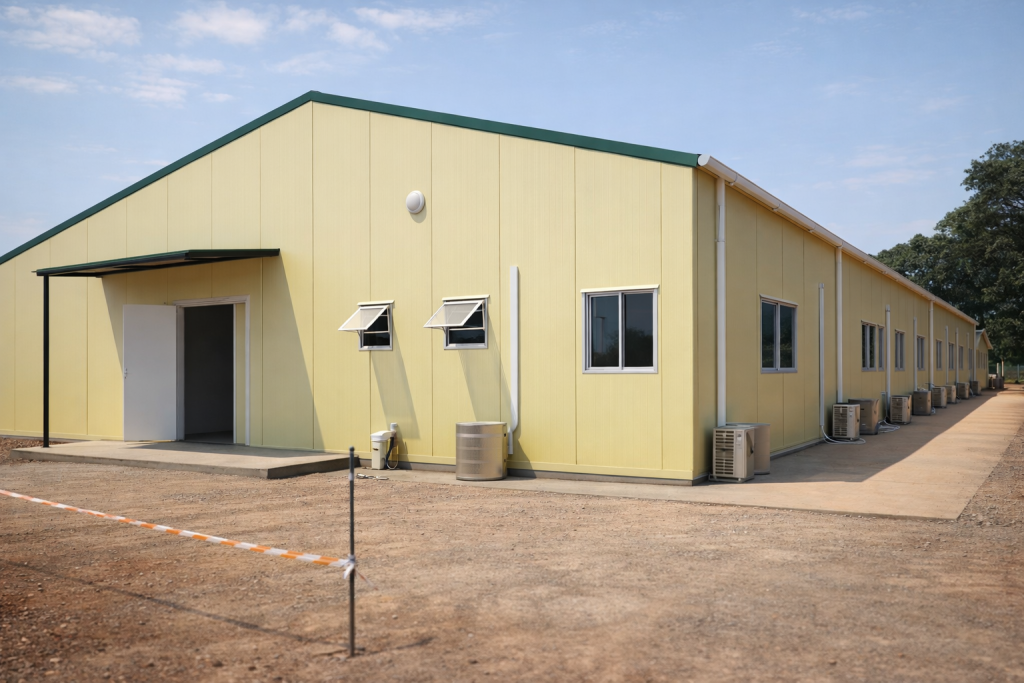
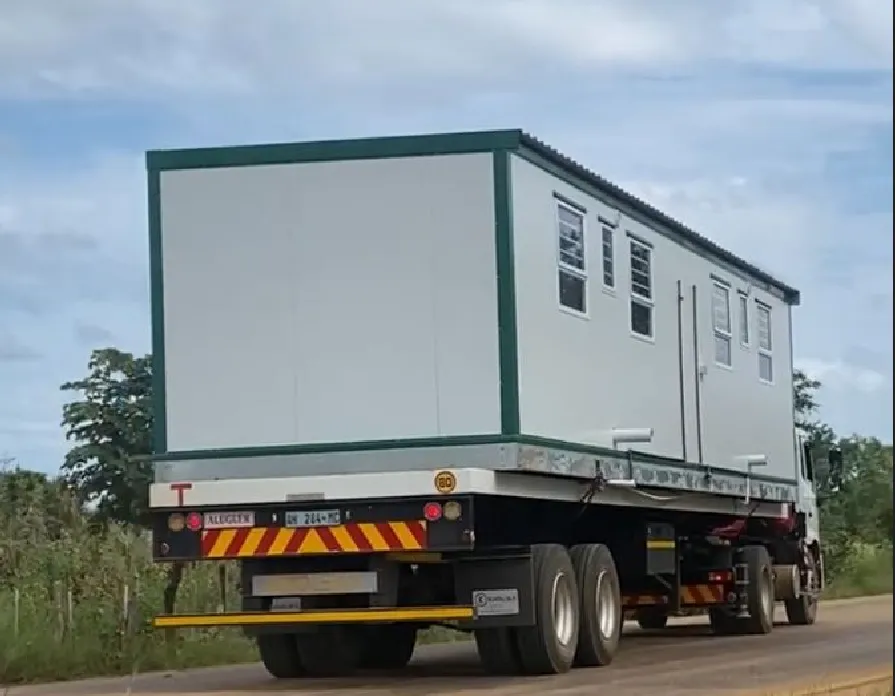
Prefabricated Buildings for accommodation
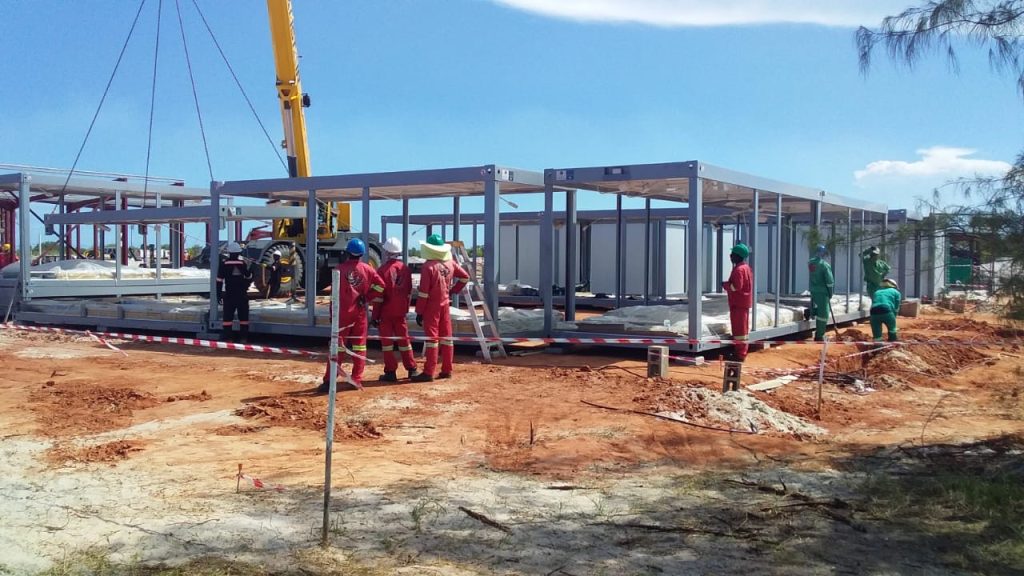
Modular project buildings installed on remote site
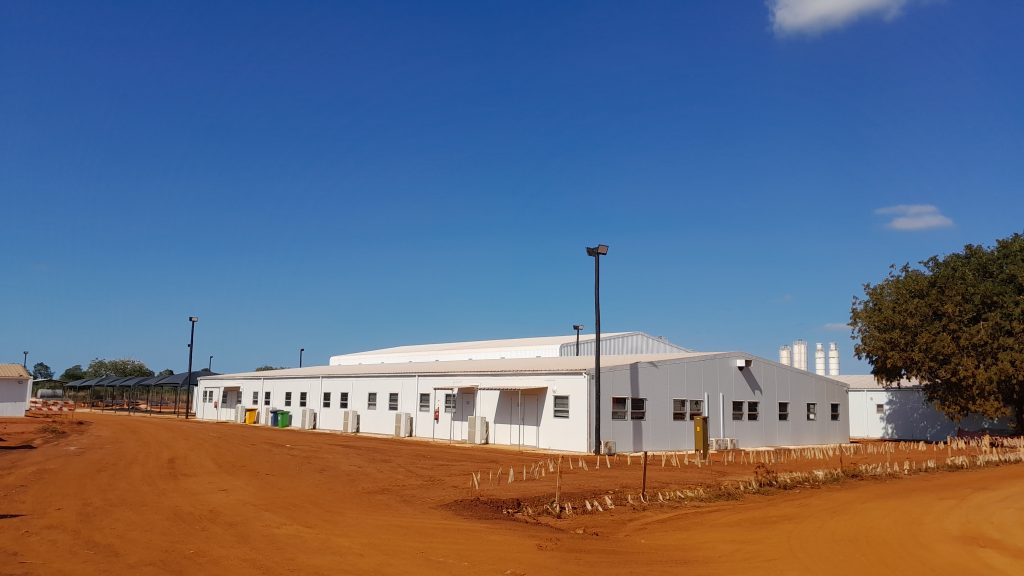
Prefabricated site offices for remote project facility
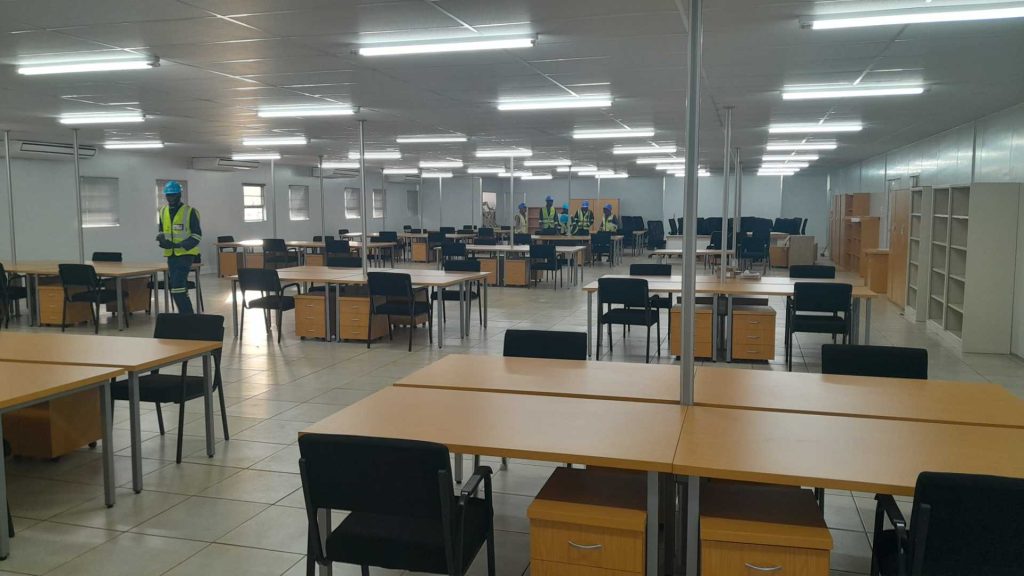
Prefabricated Office Building inside

Seven failure points

Where remote facility packages go wrong

Most remote facility problems are avoidable. They follow the same pattern: decisions made too early, too late, or against assumptions that were never tested against the actual project.

01

Scope gaps

Facility scope often starts with accommodation and offices, then stops there. A remote project also needs ablutions, kitchens, dining, laundries, clinics, workshops, stores, security, welfare and expansion capacity.

Everything missing returns as a variation or emergency purchase.
02

Specification misalignment

Specifications are often copied from other packages without matching the actual facility use, site conditions, logistics route or operational life.

A specification that looks safer on paper can destroy practical delivery options.
03

Late procurement

The facility package is addressed after larger packages have consumed the schedule, leaving little time for approvals, manufacture, freight, customs, installation and commissioning.

Late procurement does not save time. It destroys options.
04

Under-budgeting

The budget line covers buildings but not freight, port handling, customs, transport, offloading, cranage, foundations, services, installation, commissioning or expansion allowance.

The rest arrives as a surprise, with the least time to absorb it.
05

Unclear battery limits

Buildings, slabs, services, access, offloading, cranage and commissioning need clear ownership. When battery limits are vague, the gap becomes standing time and disputed scope.

The commercial dispute usually begins before the supplier arrives on site.
06

Facility-capacity errors

A camp sized for study-stage headcount can be undersized by construction peak load, contractor overlap, recovery work, commissioning teams and specialist subcontractors.

A headcount error becomes a facility problem. A facility problem becomes a project problem.
07

Emergency recovery costs

When facilities are late, incomplete or undersized, the project improvises with rushed imports, tents, double occupancy, temporary structures and partial handovers.

The project is no longer buying the right solution. It is buying time.
Who RapidBuild works with

Built for every role carrying remote facility risk

Each role feels the pressure differently. The facility package may sit in procurement, but the consequences spread across schedule, capex, mobilisation, commercial exposure, and site operations.

EPCM teams

Schedule risk

Scope definition, interface management, and sequencing risk before procurement locks the project into the wrong path.

Project owners

Capex risk

Workforce readiness, mobilisation protection, and avoiding late-stage recovery costs that exceed the original saving.

Main contractors

Mobilisation

You cannot recover programme with a workforce that has nowhere to sleep, eat, wash, or operate from.

Procurement teams

Procurement risk

Building price is not the same as site-ready facility cost. Exclusions, logistics, and supplier capability matter.

Commercial teams

Commercial risk

Battery limits, assumptions, exclusions, and unclear interfaces become variation claims before site work starts.

Construction managers

Site readiness

Most prefab delays start where the building meets the ground: access, slabs, services, offloading, and installation sequencing.

Camp operators

Operations

A facility is not complete when the buildings arrive. It is complete when the workforce can use it without creating operational burden.

THE REAL OUTCOME

A facility package that supports the project instead of disrupting it.

The review is the first step. The goal is to help your team move toward a facility solution that is properly scoped, practical to deliver, suitable for the site, and ready to support the workforce when mobilisation begins.

Fit-for-purpose system

The building system matches the project duration, logistics route, cranage availability, labour skill, relocation needs, and site conditions.

Properly defined scope

The package covers the buildings, services interfaces, foundations, offloading, installation responsibilities, exclusions, assumptions, and handover requirements.

Practical delivery path

The solution is considered against access, transport, customs, site readiness, installation sequence, equipment, supervision, and programme pressure.

Lower project disruption

The facility is less likely to create delays, emergency purchases, contractor standing time, rework, or commercial disputes after award.

Workforce-ready outcome

The workforce has the facilities needed to sleep, eat, wash, work, recover, and keep the wider project moving.

RapidBuild systems

Three building systems. One project-fit decision.

The FlatPack, RapidSpan, and RapidCabin solve different remote-site problems. The right choice depends on project duration, relocation needs, cranage availability, transport constraints, installation resources, and how permanent the facility needs to be.

FlatPack Modular Building

FLATPACK

Flat-pack modular buildings

Relocatable, fast-install buildings designed for efficiency and strength. Arrives flat-packed, roof is lifted on site, walls installed, and the building is ready to use.

Prefabricated Office Block

RAPIDSPAN

Clear-span modular structures

Semi-permanent to permanent buildings built on a concrete slab and designed for the long haul. Looks and performs like a conventional building, with faster delivery.

Prefab Site Office

RAPIDCABIN

Prefab cabins and support buildings

Prefabricated buildings in component form, assembled on site. Containerised delivery with a lightweight system that is practical, flexible and cost-effective.

WHAT RAPIDBUILD HELPS BUILD

Remote facilities that have to work when the project starts.

RapidBuild supports the non-process infrastructure that allows remote projects to mobilise, house people, operate safely, and keep construction moving.

Workforce accommodation

Sleeping units, ensuite rooms, ablution blocks, laundries, welfare buildings, and camp support facilities for remote project teams.

Site offices and administration

Project offices, meeting rooms, open-plan workspaces, document control areas, security offices, and management buildings.

Kitchens, diners and welfare

Dining halls, kitchen buildings, recreation spaces, change rooms, first-aid rooms, and staff welfare facilities.

Workshops and warehouses

Clear-span buildings, maintenance workshops, storage buildings, plant support areas, and practical industrial structures.

Clinics and support buildings

Medical rooms, clinics, security facilities, camp operations buildings, and other support spaces required on remote sites.

Project-specific facilities

Custom remote-site buildings where scope, logistics, cranage, services, installation method, and operating conditions need to be reviewed before procurement.

The question most project teams do not ask

Ask who will actually run your project

Most prefab and modular suppliers are factory operations. They may be capable at producing a unit and shipping it to site. Far fewer are equipped to manage a remote project environment where HSE compliance, QA/QC, project controls, daily reporting, access, logistics, and commercial exposure are part of the work.

When a factory-first supplier reaches a remote mining or industrial site, the gaps become visible quickly. The problem is not always the building. It is the project surrounding the building.

The right question is not only which supplier presents the most compelling proposal. It is who, by name, will manage the work and whether they have genuinely done this before in the same operating environment.

What to ask any supplier — including us

  • 1
    Name the project manager who will run the work.
  • 2
    Request their CV and confirm relevant remote project experience.
  • 3
    Confirm active HSE capability, not just a policy document.
  • 4
    Confirm QA/QC records, inspections, and handover documentation.
  • 5
    Confirm schedule updates, reporting, and project controls.
  • 6
    Ask which remote projects they have walked away from, and why.
If a supplier cannot name the person who will run your project, you already have your answer.

How the review works

Three steps. Before procurement locks.

Before you engage suppliers and create an RFQ, submit your project for a Facilities Package Review which will give you a clearer picture of what the facility strategy actually needs to be.

01

Submit project details

Tell us the location, facility types, headcount, required operational date, site conditions, and current procurement stage.

02

We review the strategy

RapidBuild works through scope, logistics route, headcount assumptions, system fit, services interfaces, procurement timing, and commercial structure.

03

You receive a recommendation

You receive a short written recommendation covering risks, system options, scope gaps, timing observations, and practical next steps.

PROJECT PATTERNS WE RECOGNISE

Experience that matters before the quote is written.

Not every remote facility problem is unique. Most follow patterns that can be identified before procurement locks the project into the wrong answer.

Remote camp mobilisation

Camp capacity, bed count, kitchens, ablutions, laundries, and welfare spaces must follow the construction sequence, not only the study-stage headcount.

Coastal and corrosive environments

Roof sheeting, fasteners, exposed steel, cladding, coatings, and maintenance access need to match the actual exposure conditions.

Site office battery limits

Slabs, services, offloading, access, cranage, tie-ins, commissioning, and handover documents need clear ownership before award.

Urgent recovery projects

When facilities are late, the project stops buying the right solution and starts buying time through rushed freight, temporary structures, and costly compromises.
PROJECT FIT

Built for project facilities, not private residential buildings.

RapidBuild is focused on remote camp and site facility packages for mining, infrastructure, energy, industrial, agricultural, and construction projects.

The right fit if...

You are planning a mining, infrastructure, energy, industrial, agricultural, or remote construction project.
You need site facilities that support workforce mobilisation, productivity, welfare, supervision, or operations.
You want the facility package pressure-tested before RFQ, award, or procurement lock-in.
You are open to reviewing system fit, logistics, battery limits, installation method, and delivery risk.

Not the right fit if...

You need a private house, backyard room, granny flat, or small domestic building.
You need a once-off residential unit rather than a project facility package.
You only want the cheapest possible structure without reviewing site conditions, logistics or installation.
You need a quote before the scope, location, access, and operating conditions are understood.

Remote Facilities Package Review

Pressure-test your facility strategy before it becomes urgent

Before issuing an RFQ or committing to a procurement path, RapidBuild can assess whether the facility strategy is practical, correctly scoped, and aligned with what the project actually requires on the ground.

The review turns early uncertainty into a clearer facility strategy before urgency removes your options.

The review covers

Project location
Facility types
Headcount + growth
Construction sequence
System selection
Site access + logistics
Foundation strategy
Services interfaces
Battery limits
Contract risk
Budget realism
Urgent delivery risk
Cranage + offloading
Import / local supply

COMMON QUESTIONS

Questions project teams usually ask before starting.

A few quick answers to help you decide whether RapidBuild is the right fit for your project facility package.

No. RapidBuild focuses on project facilities for mining, infrastructure, energy, industrial, agricultural, and remote construction projects.

Accommodation camps, site offices, ablutions, kitchens, diners, clinics, workshops, warehouses, welfare buildings, and site support facilities.

RapidBuild works on project-dependent opportunities across Sub-Saharan Africa, with experience and target markets including South Africa, Mozambique, DRC, Zambia, Botswana, Namibia, Zimbabwe, Tanzania, Ghana, Sierra Leone, Angola, and Côte d’Ivoire.

No. RapidBuild reviews the project need first, then recommends the correct system: FlatPack, RapidCabin, RapidSpan, or a project-specific approach.

Yes. That is the preferred stage because scope, logistics, system choice, timing, and battery limits can still be corrected.

Location, facility type, headcount, project stage, required operational date, site access, services, budget expectations, and known constraints.

Building price often excludes freight, offloading, cranage, foundations, services, installation, commissioning, handover readiness, and recovery risk.

It depends on project location, scope, delivery model, partner availability, and site requirements. This is reviewed during the project assessment.